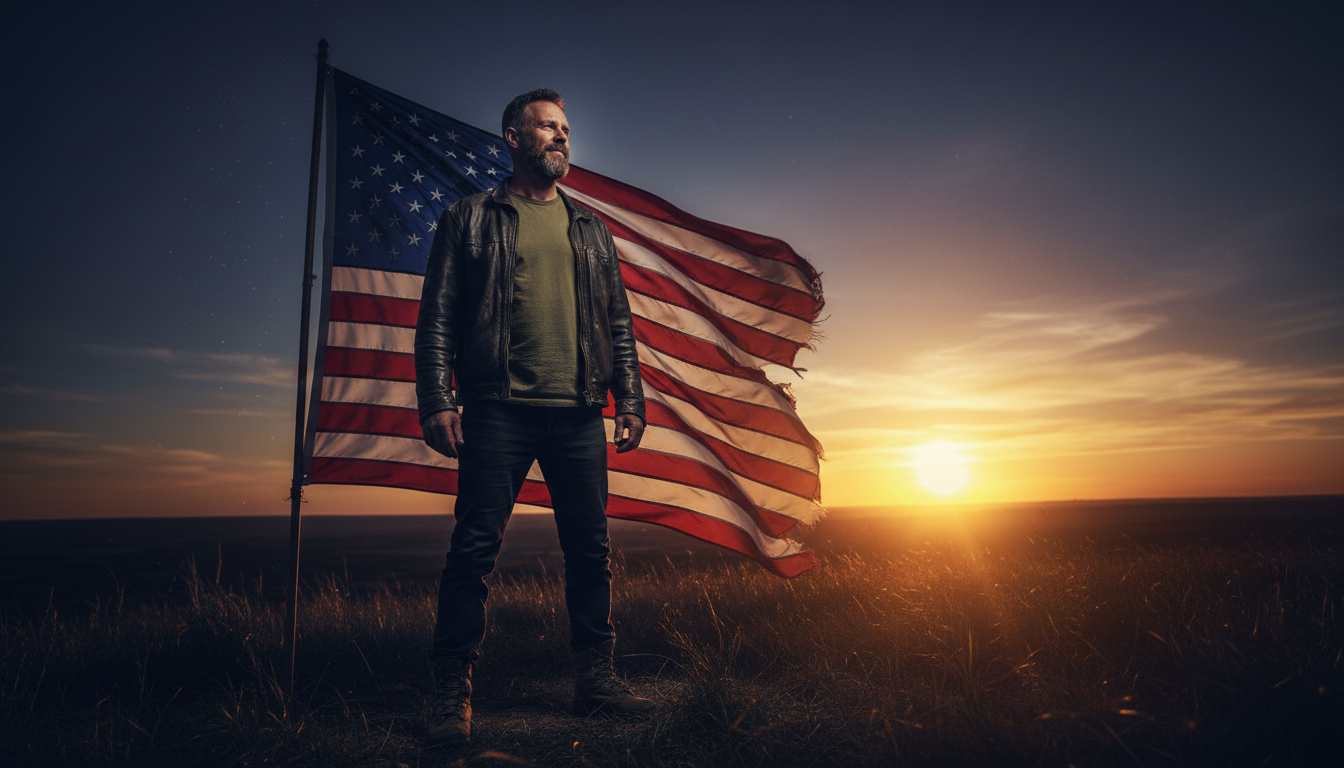
The Complete Guide to Veteran Mental Health Resources in 2026
A comprehensive guide to mental health programs, therapy options, and support networks available to veterans and their families.
A Complete Guide to Mental Health Resources for Veterans
Supporting Veterans Beyond the Battlefield
In 2026, the conversation around veteran mental health has become more important than ever. While many veterans transition successfully into civilian life, others face ongoing challenges such as PTSD, anxiety, depression, and isolation. Access to the right veteran mental health resources can make the difference between struggle and stability. This guide explores the programs, support systems, and organizations helping veterans regain control, purpose, and peace of mind.
Understanding the Mental Health Challenges Veterans Face
The Invisible Wounds of Service
Not all injuries are physical. Many veterans carry invisible wounds that affect their daily lives long after service ends.
Common challenges include:
- Post-traumatic stress disorder (PTSD)
- Depression and anxiety
- Substance use and coping behaviors
- Difficulty adjusting to civilian life
- Loss of identity and purpose
Recognizing these challenges is the first step toward healing.
Key Veteran Mental Health Resources in 2026
Access to Care and Support Systems
Today, there are more mental health resources for veterans than ever before. These programs are designed to provide accessible, personalized care.
Key resources include:
- Counseling and therapy services (in-person and virtual)
- Peer support groups connecting veterans with shared experiences
- Crisis hotlines and immediate assistance programs
- Holistic wellness programs focused on mind and body
- Family support services to strengthen relationships
These resources ensure veterans are not navigating their journey alone.
The Role of Community in Healing
Rebuilding Connection and Purpose
One of the most powerful tools in veteran mental health recovery is community.
Programs focused on connection help veterans:
- Rebuild a sense of belonging
- Share experiences in a safe environment
- Develop new relationships and support systems
- Find renewed purpose through service and mentorship
Community-driven support often leads to long-term healing and growth.
Technology and Innovation in Veteran Mental Health
How 2026 Is Changing Access to Care
In 2026, technology is transforming how veterans access mental health support.
Innovations include:
- Telehealth and virtual therapy platforms
- AI-driven mental health assessments
- Mobile apps for stress management and mindfulness
- Digital communities for peer support
These advancements make care more accessible, private, and immediate than ever before.
Supporting Veteran Families
Healing Together
Mental health challenges don’t just affect veterans—they impact families as well.
Many programs now include:
- Family counseling services
- Educational resources for loved ones
- Support groups for spouses and children
- Tools for improving communication and understanding
Strong family support systems are essential for long-term recovery.
Turning Awareness Into Action
How You Can Support Veteran Mental Health
If you’re searching for ways to help, there are meaningful actions you can take:
- Support organizations focused on veteran mental health
- Donate to programs providing therapy and resources
- Volunteer in veteran communities
- Raise awareness about mental health challenges
Every effort contributes to creating a stronger support system for those who served.
Why Veteran Mental Health Matters
Honoring Service Through Support
Veterans have given their time, energy, and often their well-being in service to others. Supporting their mental health is one of the most important ways we can give back.
Access to quality care, strong communities, and ongoing support ensures that veterans can live fulfilling, meaningful lives after service.
Final Thoughts
The landscape of veteran mental health resources in 2026 is evolving—and improving. But continued awareness, support, and action are essential.
Whether you are a veteran, a family member, or someone looking to help, understanding these resources is the first step toward making a lasting impact.